Start a conversation ↗
APPLICATIONS OPEN · WINTER INTERNSHIPSBuild your future in clean energy.Applications only from NAAC A, A+ and A++ accredited campuses.Explore tracks & apply ↗A LANDMARK COMMITMENT500 MWSigned MoU with the Government of Rajasthan
Utility-scale power plant development
Explore the commitment
BUILDING STORAGE CAPABILITYOur planned next chapter: battery-storage development, system integration and long-term operation.Explore the roadmap
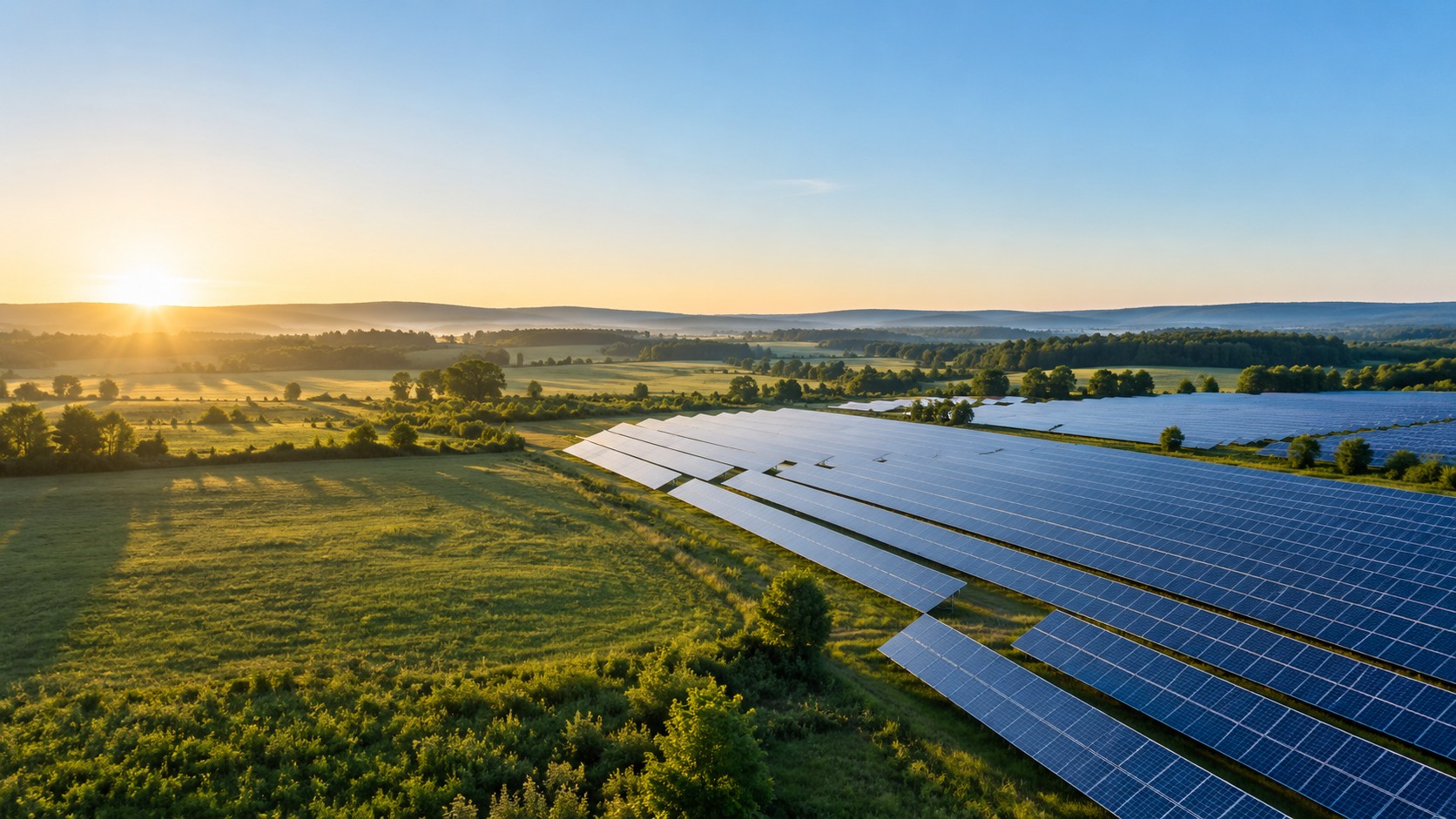
Illustrative solar panels in a green landscape at sunrise

CAPTIVE PLANTS + UTILITY-SCALE PROJECTS

Renewable power.
Developed at scale.

Captive renewable plants above 25 MW and utility-scale power projects. Bringing together generation, storage, project development, and the next generation of energy technology.

Illustrative solar landscape

RAJASTHAN MoU500 MW

Committed development capacity

Utility-scale power plants

IMPORTANT EVENT / SIGNED RAJASTHAN MoU

A commitment to
Rajasthan’s energy future.

SIGNED MEMORANDUM OF UNDERSTANDING

Amnaya Energy has signed a Memorandum of Understanding (MoU) with the Government of Rajasthan for the development of utility-scale power plants in Rajasthan.

The committed total capacity under the MoU is 500 MW.

500 MW represents the development capacity committed under the MoU.

Read the Rajasthan story Download PDF · 2 pages
500MW

Committed total capacity

Utility-scale power development
Rajasthan, India

CAPTIVE + UTILITY-SCALE DEVELOPMENT

Large-scale ambition.
Plant-level thinking.

Amnaya Energy’s offerings include captive renewable plant setups above 25 MW and utility-scale power project development. Each opportunity starts with the power requirement, resource availability, land, grid access, and a viable development pathway.

Explore a project or partnership ↗

01 Captive generation above 25 MW

02 Utility-scale power projects

03 Hybrids, storage and technology

01 / COMPANY OFFERINGS

Captive plants.
Utility-scale projects.

Distinct offerings across captive generation, utility-scale development, hybrid systems and project advisory.

CAPTIVE SOLAR PLANTS

Renewable power.
Industrial scale.

Our plant-development focus begins above 25 MW, with generation designed around the captive consumer’s demand and the project’s physical and commercial context.

  • Resource, land and site assessment
  • Plant configuration and generation profile
  • Engineering and implementation partner scope

Discuss a captive solar plant ↗

UTILITY-SCALE POWER PROJECTS

Develop generation
at project scale.

Development of utility-scale renewable power projects, with site, resource, grid connectivity and offtake considerations assessed as part of the project pathway.

  • Land, resource and connectivity assessment
  • Project configuration and development planning
  • Delivery-partner and offtake discussions
Discuss a utility-scale project ↗

HYBRID GENERATION + STORAGE

A portfolio designed
around the load.

Evaluate solar, wind and storage together for large captive projects. The aim is a better fit between available renewable generation and industrial consumption.

  • Solar-wind resource complementarity
  • Battery power and duration requirements
  • Dispatch, grid interface and load matching
Explore a captive hybrid plant ↗

LARGE-PLANT DEVELOPMENT

Define the plant.
Plan the pathway.

Structure the decisions behind captive and utility-scale projects: technical options, delivery partners, environmental considerations and the route to an implementable project.

  • Load profile and feasibility priorities
  • Land, connectivity and approval dependencies
  • Development, commissioning and O&M planning
Plan a large captive project ↗

AMNAYA SOCIAL SERVICE PROGRAMME

Upanayan.
Health and education.

Our social service programme is dedicated to uplifting rural children through health, inclusive education and family support.

Explore Upanayan ↗

Project selection and configuration depend on feasibility, local requirements, equipment suitability and agreed delivery scope.

OUR NEXT CHAPTER / BATTERY STORAGE

Develop. Integrate.
Operate for the long term.

AMNAYA’s planned path into battery storage starts with technical leadership, qualified partners, real customer data and one costed reference project.

Explore our BESS growth roadmap ↗
  1. 01 Build the technical team
  2. 02 Qualify the complete system
  3. 03 Validate a customer-backed project
  4. 04 Prove performance and service

02 / PROJECT COLLABORATION

Demand. Resources.
The right partners.

Start with your role in a captive or utility-scale power project.

YOUR LOAD IS THE STARTING POINT

Plan around sustained
industrial power demand.

For industrial consumers and groups evaluating captive renewable generation above 25 MW. Share the consumption pattern, site geography, and the long-term power requirement.

Useful project inputs: hourly load data, annual consumption, peak demand, intended plant capacity, and target commissioning date.

Discuss captive power ↗

PARTNERSHIPS WE SEEK

Bring your expertise.
Explore what comes next.

Amnaya Energy welcomes discussions with partners to support its renewable project ambitions. These are opportunities for future collaboration.

01 / TECHNOLOGY

Generation & storage providers

Solar, wind and energy-storage technology providers with solutions suited to large renewable plants.

02 / ENGINEERING

EPC & engineering partners

Teams with capabilities in plant design, procurement, construction and grid integration.

03 / DEVELOPMENT

Land & project partners

Landowners and development partners exploring suitable sites and infrastructure in Rajasthan.

04 / OFFTAKE

Industrial power buyers

Industrial consumers and offtake partners evaluating long-term renewable power requirements.

05 / RESEARCH

Research & innovation institutions

Institutions exploring renewable technologies, AI-enabled operations and practical validation.

06 / FINANCE

Investors & financing institutions

Investors and institutions interested in discussing the financing needs of viable renewable projects.

Have a capability, resource or project opportunity to discuss?

Explore a partnership

03 / INNOVATION WE AIM TO INTRODUCE

A technology horizon.
A disciplined route to adoption.

Amnaya wishes to bring relevant advances into captive plants above 25 MW and utility-scale renewable projects. Our roadmap spans generation, storage, industrial energy integration and digital operations.

OUR INTENDED ROADMAP

These are technology priorities for evaluation and partnership development. Adoption will be project-specific and depend on technical validation, maturity, feasibility and commercial readiness.

01 / PV technologyAdvanced solar & tandem cellsProject evaluation

Evaluate bifacial modules, TOPCon and heterojunction architectures, trackers and plant layout. Track perovskite-silicon tandems as an emerging route, subject to durability, certification and warranty evidence.

Module performance, yield modelling and bankability determine adoption.

DOE: perovskite technology ↗
02 / Hybrid generationSolar-wind complementarityProject evaluation

Assess combined solar and wind resources, generation profiles and captive demand. Explore coordinated plant controls and storage integration instead of evaluating each source in isolation.

Resource studies and time-matched load analysis come first.

IEA: solar PV and wind ↗
03 / Electrochemical storageBatteries & new chemistriesTechnology evaluation

Consider lithium-ion systems, including LFP, for appropriate project duties. Monitor sodium-ion and other emerging battery chemistries for plant-level application as operating evidence develops.

Safety, duty cycle, degradation and lifecycle cost guide selection.

IEA: energy innovation ↗
04 / Long-duration storagePower beyond short-duration batteriesSite-dependent evaluation

Explore flow batteries, iron-air, pumped storage, compressed-air and thermal storage pathways where duration requirements, land, water and project conditions justify them.

Duration and energy needs must be defined alongside power capacity.

DOE: storage innovations ↗
05 / Plant integrationGrid-forming power electronicsIntegration roadmap

Evaluate advanced inverters, grid-forming controls, protection coordination and plant energy-management systems for high-renewable configurations.

System studies and grid-code compliance govern integration.

DOE: grid-forming inverters ↗
06 / Land & water useFloating PV & agrivoltaicsSite-dependent evaluation

Consider reservoir-based solar and dual-use agricultural configurations where site access, environmental assessment and land-use priorities support them.

Water ecology, farming needs and maintainability shape suitability.

IEEE: emerging renewable technologies ↗
07 / Renewable heatSolar thermal & thermal storageTechnology evaluation

Explore concentrating solar thermal, renewable-powered industrial heat and heat storage as complementary industrial decarbonisation pathways.

Process temperature, thermal demand and local resources determine fit.

DOE: thermal storage pathways ↗
08 / Sector couplingGreen hydrogen & derivativesOpportunity-led roadmap

Assess renewable-powered electrolysis and potential links to industrial hydrogen, ammonia or other derivative demand when a credible offtake case exists.

Water sourcing, safety, infrastructure and lifecycle emissions require assessment.

DOE: hydrogen production ↗
09 / Firm renewable resourcesNext-generation geothermalTechnology watch

Follow enhanced geothermal, closed-loop and superhot-resource developments as potential firm renewable options in suitable geographies.

Resource confirmation, drilling evidence and project risk are decisive.

DOE: next-generation geothermal ↗
10 / Resource recoverySustainable bioenergy & biogasFeedstock-dependent evaluation

Explore residue-based energy, biogas and biomethane pathways where sustainable feedstocks and a suitable industrial energy need can be demonstrated.

Feedstock traceability, air emissions and lifecycle assessment are essential.

DOE: bioenergy pathways ↗
11 / Offshore & marineFloating wind, wave & tidalLonger-term technology watch

Monitor offshore wind and ocean-energy developments for geographies with relevant resources and infrastructure, including floating wind, wave conversion and tidal-stream systems.

Marine conditions, permitting and operating maturity govern relevance.

DOE: marine energy ↗
12 / Lifecycle designCircularity, repowering & recoveryDesign ambition

Aim to integrate maintainability, component traceability, repowering assessments and responsible module and battery recovery into project planning.

Supplier obligations and verifiable recovery routes belong in the project scope.

UN: responsible consumption and production ↗

HOW AN INNOVATION ENTERS A PROJECT

  1. 01 Screen for relevance
  2. 02 Validate evidence
  3. 03 Pilot where needed
  4. 04 Integrate by agreement

04 / INTELLIGENCE + TRUST

Smarter plant decisions.
More traceable energy data.

AI and blockchain are intended enablers within our technology roadmap. Their value must come from a defined plant need, reliable data and practical integration.

ARTIFICIAL INTELLIGENCE

From plant data
to better decisions.

  • Generation and industrial-load forecasting
  • Predictive maintenance and anomaly detection
  • Digital twins and performance diagnostics
  • Storage scheduling and dispatch decision support

Planned adoption would combine validated models, cybersecurity, clear data permissions and engineering oversight. AI recommendations remain within plant operating limits.

Explore the IEA’s AI research ↗

BLOCKCHAIN + TRUSTED RECORDS

Connect generation
to an auditable record.

  • Traceable records linked to validated meter data
  • Energy-attribute provenance and reconciliation
  • Permissioned information sharing across partners
  • Auditable workflows for certificate lifecycle events

We intend to evaluate registry-compatible approaches. A ledger records submitted data; independent meter validation and recognised certificate rules remain essential.

Explore IEEE’s blockchain REC standard ↗

05 / UN SUSTAINABLE DEVELOPMENT GOALS

An energy ambition.
A measurable contribution.

We intend to align project design and future reporting with relevant UN SDGs. The goals below describe our intended contribution, with measures to define and verify as projects progress.

SDG7

Affordable and Clean Energy

Targets 7.2 / 7.3

Aim to increase renewable energy use and consider energy efficiency alongside captive industrial demand.

Proposed measures

Renewable MWh delivered; renewable share of demand; energy intensity per unit of production.

Read the UN goal ↗
SDG9

Industry, Innovation and Infrastructure

Targets 9.4 / 9.5

Plan modern energy infrastructure and evaluate technologies that support industrial decarbonisation.

Proposed measures

Capacity commissioned; integration milestones; validated technology pilots.

Read the UN goal ↗
SDG12

Responsible Consumption and Production

Targets 12.2 / 12.4 / 12.5

Include resource efficiency, materials traceability and responsible equipment recovery in lifecycle planning.

Proposed measures

Material recovery; supplier take-back scope; waste-management records.

Read the UN goal ↗
SDG13

Climate Action

Targets 13.1 / 13.3

Assess climate resilience and strengthen project-team understanding of mitigation and adaptation.

Proposed measures

Climate-risk assessments; training; emissions estimates against a documented baseline.

Read the UN goal ↗
SDG17

Partnerships for the Goals

Targets 17.6 / 17.16

Bring technology, engineering, industrial users and development partners into shared project pathways.

Proposed measures

Documented collaborations; technology-transfer and knowledge-sharing activities.

Read the UN goal ↗

This is a voluntary alignment framework. Project outcomes will require measurement and verification; referencing the SDGs does not imply UN endorsement or certification.

06 / DEVELOPMENT APPROACH

Clarity at
every step.

Start with the project type, industrial demand or offtake requirement, and planned capacity. Captive plant enquiries focus on capacities above 25 MW. Develop a shared view of technical, environmental and commercial priorities.

Start a conversation ↗
  1. 01

    Understand the ambition

    Define plant capacity, hourly demand, resource potential, land, connectivity and target commissioning date.

  2. 02

    Explore the possibilities

    Evaluate generation, storage, technology maturity, environmental factors and the dependencies that shape feasibility.

  3. 03

    Define the way forward

    Agree the assessment scope, partner roles, development milestones and the evidence required before implementation.

07 / ABOUT AMNAYA ENERGY

Energy is changing.
Let’s move it forward.

Amnaya Energy’s company offerings include captive renewable plant setups above 25 MW and utility-scale power projects, combining project development with a technology-led energy vision.

Our ambition is to introduce suitable innovations in generation, storage, AI-enabled operations and traceable energy data through disciplined project planning and collaboration.

Meet our founders ↓

THE PEOPLE BEHIND AMNAYA ENERGY

Our founders.
A shared beginning.

Meet the founding team behind Amnaya Energy.

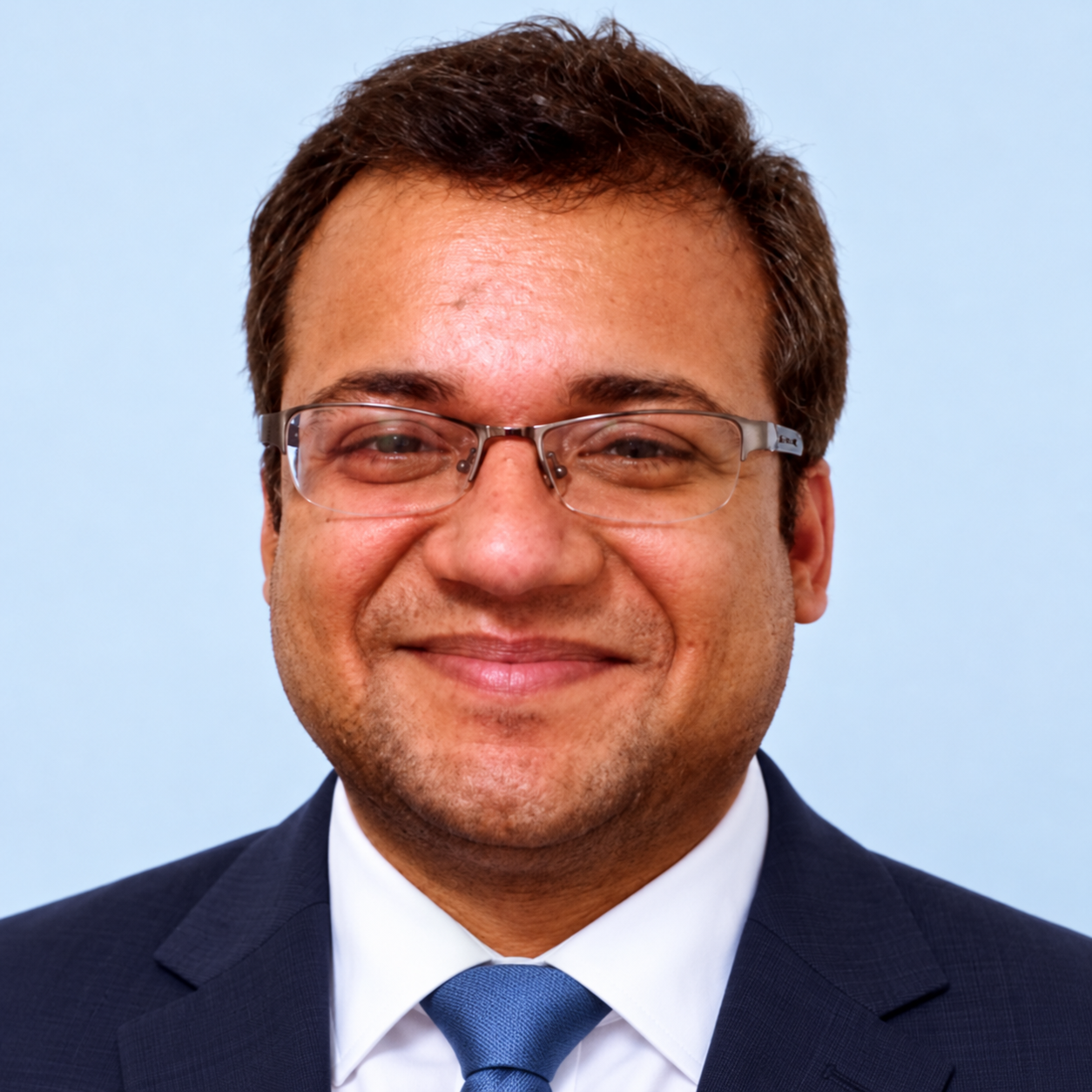
Apoorva Srivastava, co-founder of Amnaya Energy

CO-FOUNDER

Apoorva
Srivastava

Apoorva Srivastava is a co-founder of Amnaya Energy and the founder of AMNAYA. His work spans venture development in clean energy, critical minerals, infrastructure, AgriTech, and healthcare, alongside global strategic partnerships.

At Amnaya Energy, he brings this cross-sector perspective to the founding team as the company develops its focus on large captive renewable plants, technology partnerships, and project planning.

View LinkedIn profile ↗
Aryendra Gaurav, co-founder of Amnaya Energy

CO-FOUNDER

Aryendra
Gaurav

Aryendra Gaurav is a co-founder of Amnaya Energy and a psychiatrist, whose professional background adds a healthcare perspective to the founding team.

Alongside the engineering and venture-development backgrounds of his fellow founders, he brings a distinct professional perspective to the company’s beginnings in the energy sector.

View LinkedIn profile ↗
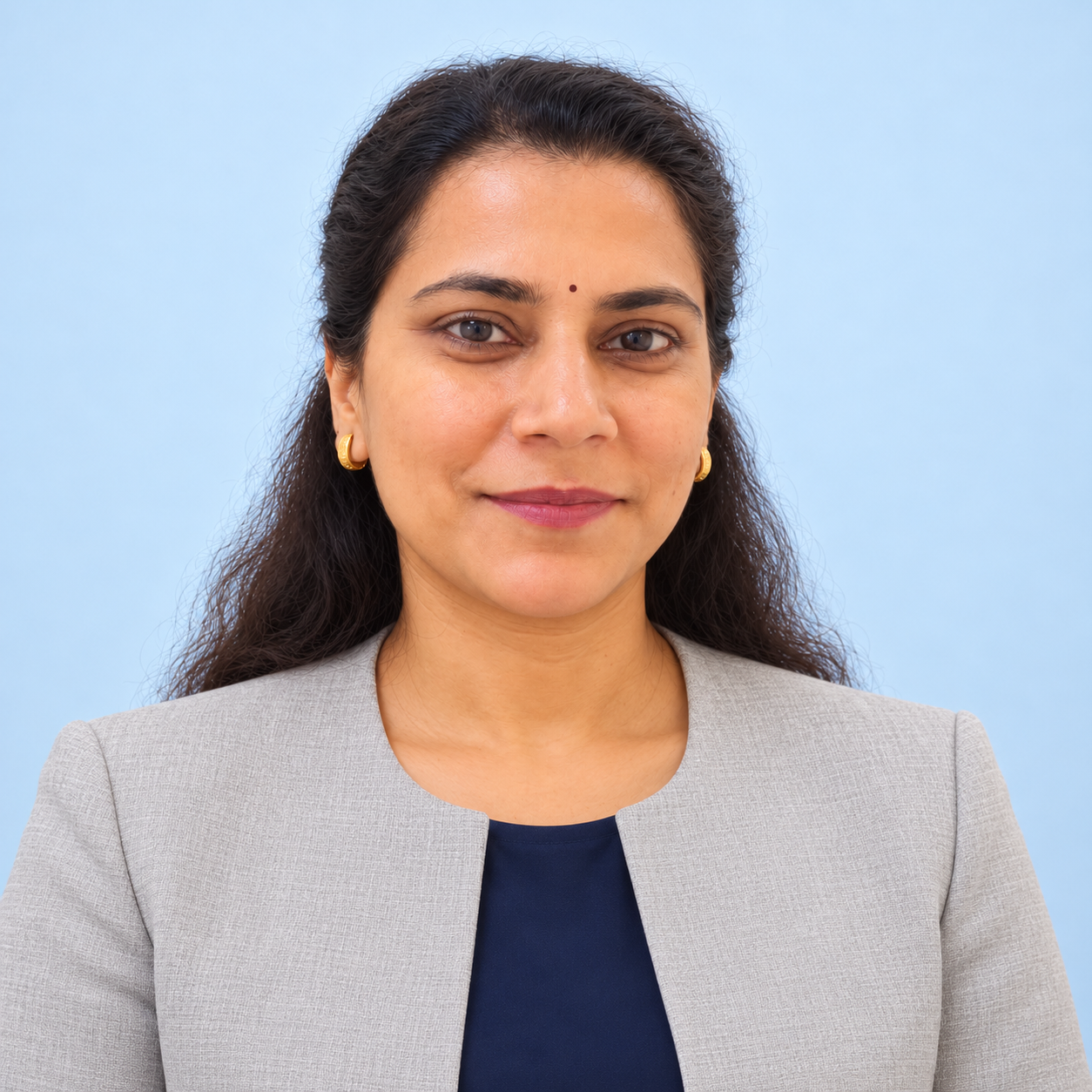
Kalpana Shukla, co-founder of Amnaya Energy

CO-FOUNDER

Kalpana
Shukla

Kalpana Shukla is a co-founder of Amnaya Energy, an electrical and electronics engineer, and a Deputy General Manager (DGM) at Power Grid Corporation of India Limited (POWERGRID).

Her engineering background and professional experience in India’s power sector bring a technical perspective to the founding team. She connects the company’s renewable energy ambitions with an understanding of the wider electricity sector.

08 / PROJECT QUESTIONS

Define the scale.
Clarify the next step.

Discuss a captive opportunity ↗
What plant and project offerings does Amnaya Energy provide?

Our offerings include captive renewable plants with planned capacity greater than 25 MW, utility-scale renewable power projects, hybrid generation with storage, and large-project development advisory. Share the project type, planned capacity and power requirement so the opportunity can be scoped.

What should an industrial captive enquiry include?

Include the industrial load location, hourly or seasonal consumption profile, annual electricity demand, planned capacity above 25 MW, land and connectivity status, and desired commissioning date. Detailed documents can be shared directly by email.

Are all roadmap technologies already deployed by Amnaya?

The roadmap sets out technologies Amnaya wishes to evaluate and introduce through suitable projects and partnerships. Technology readiness and project feasibility differ. Each proposed integration needs evidence, agreed scope and the relevant approvals.

How would AI and blockchain be used?

AI is intended to support forecasting, maintenance, plant diagnostics and operational decisions. Blockchain is being considered for traceable energy records and registry-compatible certificate workflows. Both depend on validated data and fit-for-purpose governance.

Do the SDGs represent certified project outcomes?

The SDG mapping describes intended alignment and proposed measures. Performance claims will need documented baselines, project data and verification. It does not represent UN endorsement or certification.

How does the enquiry form work?

Prepare a draft, review it, then open your email app or copy the message to business@amnayacorp.com. The enquiry reaches us when you send the email. You can also use the telephone numbers below.

LET’S SCOPE YOUR POWER PROJECT

Captive or utility-scale.
Your next project.

98 Cuttermill Rd, Ste 466
Great Neck, NY 11021

Tel: 212-239-5050 / +1 646-599-0344

Start a power project enquiry.

Share the project type, planned capacity, power requirement and development stage.

Prepare an email draft to review and send. This form prepares a draft; it does not submit your details.